Presentation at EduRobotX 2025: Preliminary study findings of the teacher training program “MyRobot, MyLearnMate”
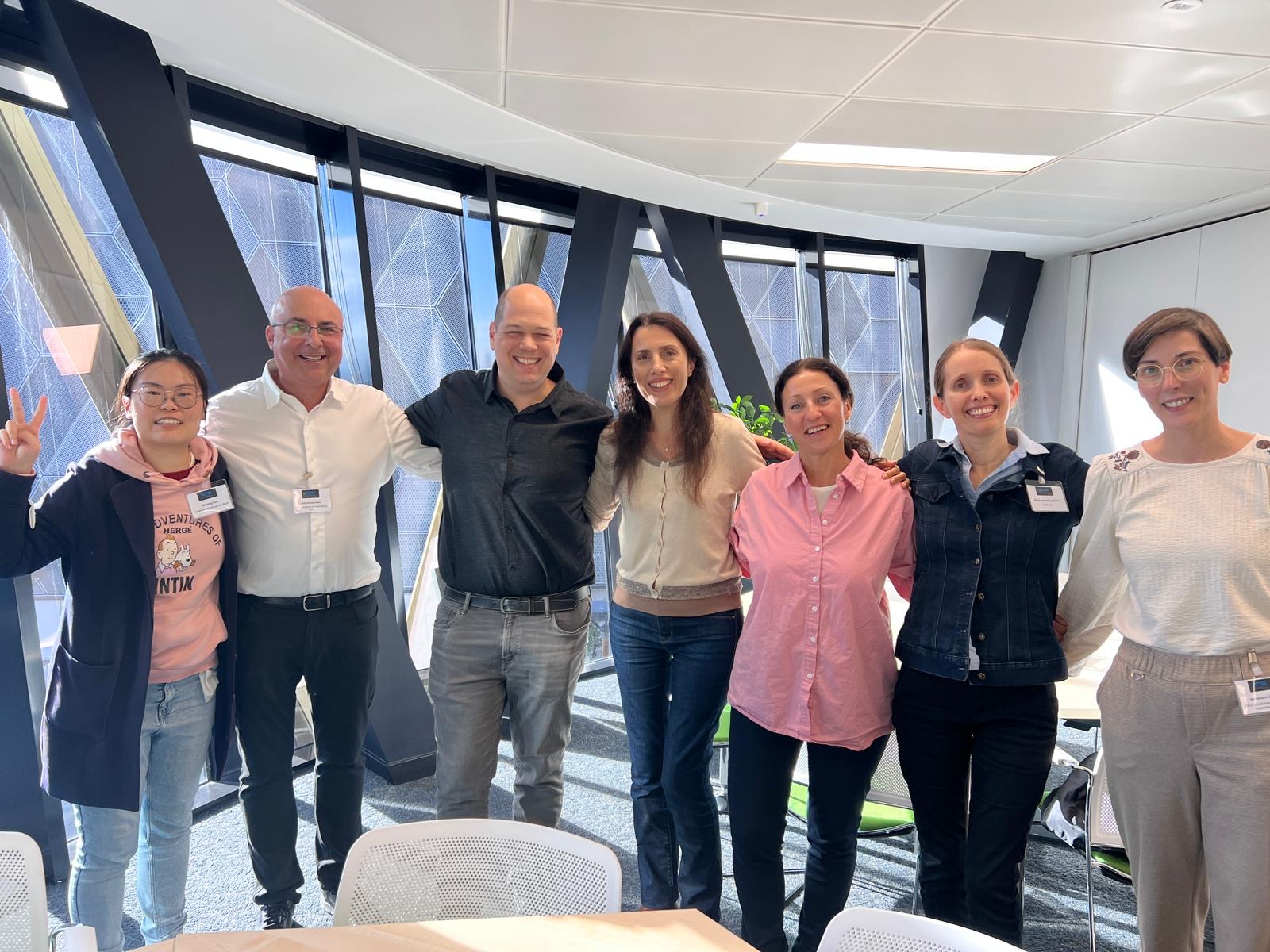
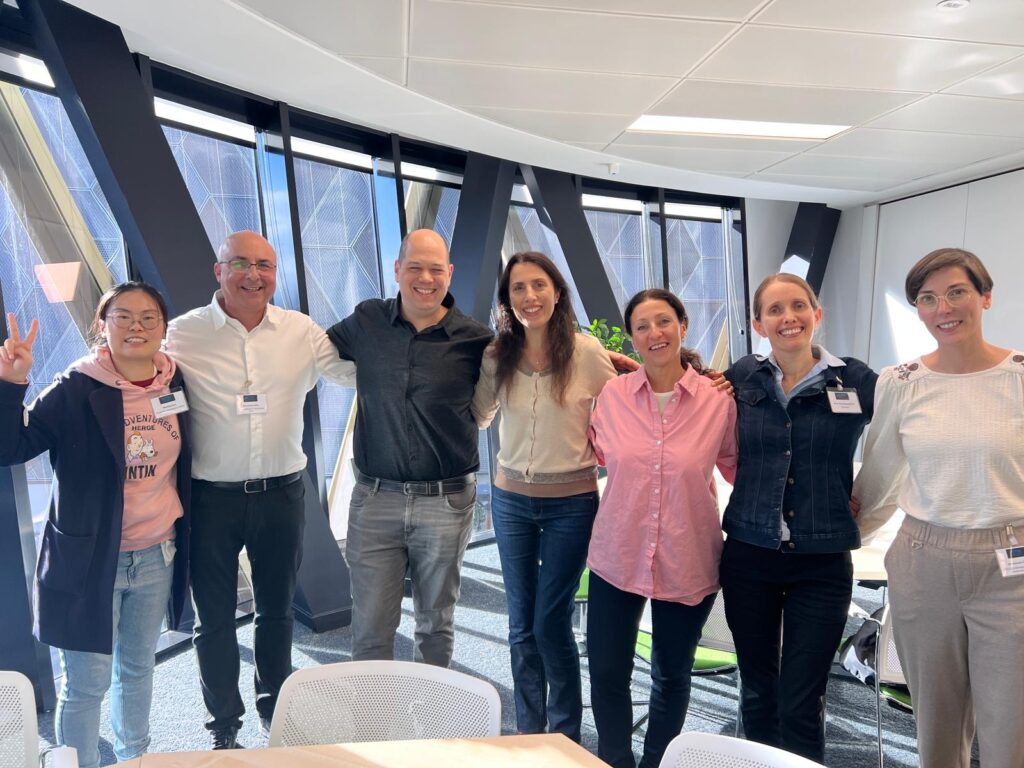
At the EduRobotX 2025 Workshop, held as part of the Twentieth European Conference on Technology Enhanced Learning (ECTEL 2025), researchers, educators, and practitioners gathered to explore innovations in educational robotics. The workshop, organized by the EATEL Special Interest Group, aims to foster collaboration and share best practices among experts in the field of educational robotics.
The preliminary findings of the study titled “Integrating Humanoid Robots into School Education: A Preliminary Evaluation of Outcomes from a Teacher Training Program” were presented by I. Buchem (Professor of Communication and Media Studies, Berlin University of Applied Sciences (BHT)). The research focused on evaluating the Erasmus+ online Moodle-based training program “My Robot, My LearnMate”, designed to prepare teachers for integrating humanoid robots, such as NAO, into classroom environments.
The survey included feedback from thirteen teachers across Poland, Croatia, Germany, and Portugal, assessing the program’s usability, accessibility, and impact on teachers’ confidence and readiness. Results revealed that participants particularly appreciated hands-on, practical modules, like programming exercises with NAO, while extensive reading materials were found to be less engaging and more time-consuming.
These insights underscore the importance of interactive and practice-oriented learning components in future iterations of the program. Teachers also expressed a strong desire for enhanced peer collaboration opportunities, such as online forums and group projects.
The findings emphasize that continuous evaluation and refinement are essential for ensuring teacher satisfaction and long-term program effectiveness. This preliminary study provides a solid foundation for future research and program development, highlighting the value of practical and interactive training in the effective use of educational robots as didactical tools.
The study was conducted by Emily Evermann (Berlin University of Applied Sciences), Niklas Bäcker (Berlin University of Applied Sciences), Ilona Buchem (Berlin University of Applied Sciences), Igor Balaban (University of Zagreb) and Ivana Ružić (University of Zagreb).